
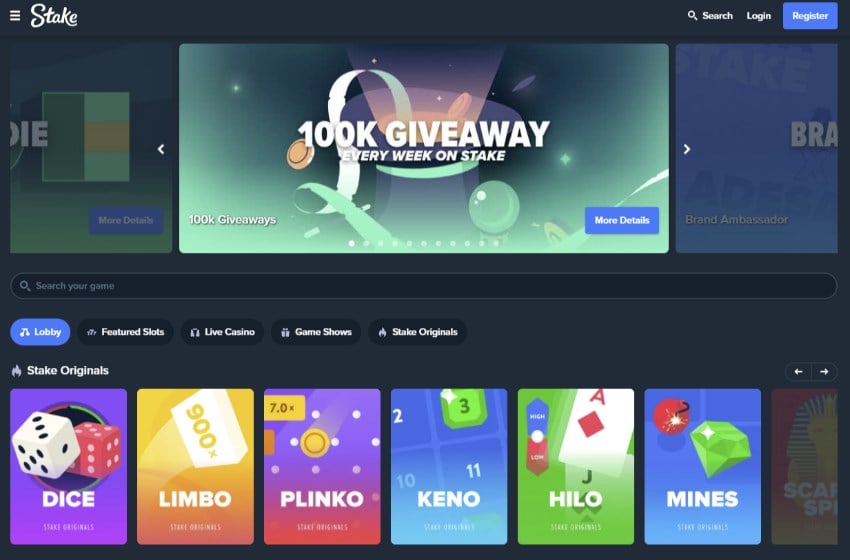
I dedicated considerable time examining the intricacies of obtaining premium live dealer content in various jurisdictions, and I comprehend the specific curiosity surrounding Play At Stake Casino. Moving through the arena of interactive gaming requires a clear grasp of platform mechanics, regional accessibility, and the technical resources that connect the gap between a player and a real-time studio. The allure of live casino games stems from their ability to mirror the sophisticated atmosphere of a brick-and-mortar establishment straight on a screen. When I examine Stake Casino, I observe a platform built on a modern interface that focuses on speed and transparency. However, the geographical restrictions established by regulatory frameworks often generate a layer of complexity that demands a precise, step-by-step approach to secure uninterrupted access to live dealers, real-time card shuffles, and the spinning roulette wheel.
Etiquette at the Live Tables
As much as I focus on the technical gateway to the games, I place equal weight on my conduct once seated at the live table. The involvement of a real human dealer demands a degree of manners that anonymity does not negate. I engage with the chat box favorably and respect the dealer’s time limits for making wagers. The engaging character of the studio environment can speed up decision-making, so I utilize the platform’s responsible gaming tools preemptively. I establish strict session time limits and loss caps within the account settings before a single card is played. I view live casino sessions as a top-tier entertainment expense, not a revenue strategy, and I structure my playing time in blocks with mandatory intermissions. This mindset secures that the thrill of the real-time interaction stays a source of positive engagement, and the accessibility tools I have configured serve to enhance my leisure time rather than undermine my financial discipline.
Grasping the Legal Framework for Online Gaming
Before I go into the mechanical mechanics, I need to address the regulatory environment that governs how platforms operate. The judicial framework in many regions separates between conventional fixed-odds betting and online peer-to-peer or house-banked games. I have noted that operators possessing specific international licenses often confine service availability to conform with local sovereignty. When I analyze the access protocols for a site like Stake Casino, the restriction is not a question of technical inability but of legal compliance. The platform uses geolocation verification to ensure it adheres to licensing conditions. This indicates that the principal barrier between a user and a live blackjack table is a virtual geo-fence. Grasping this enables me appreciate that the remedy lies in lawful privacy tools rather than shady workarounds. The goal is to reestablish the link that the licensing geography breaks, always respecting the terms of use set by the provider.
Overseeing Financial Transactions with Agility
The financial architecture of Stake Casino is founded on digital assets, which presents a distinct advantage in transaction speed compared to traditional banking rails. I opt for using cryptocurrencies like USDT or Ethereum for my live casino bankroll because they bypass the processing delays caused by fiat intermediaries. When I log into the platform through my configured environment, I make a single deposit into the vault to function as my session capital. The immediate confirmation of blockchain transfers guarantees that I never miss a seat at a high-demand Lightning Roulette table. It is vital to check the network selection before confirming a deposit; sending funds on the wrong blockchain can lead to asset loss. I always hold a separate, dedicated wallet for my entertainment funds, separating it from my primary savings. This practice establishes a disciplined bankroll buffer that protects my capital while experiencing the swift, low-friction deposit and withdrawal process that characterizes the platform’s cashier.
Step-by-Step Setup for Streaming Entry
I initiate the procedure by purging my browser cache entirely to wipe any stored location markers. Next, I turn on my VPN client and choose a remote server based in a region where Stake Casino’s live games are operational without restriction. I favor using dedicated streaming servers if my VPN provider supplies them, as these are optimized for high bandwidth. Once the VPN connection indicator displays a secure green light, I open a fresh incognito browser window. I then go to the official Stake Casino URL. The platform should now read the IP address of the VPN server and display the full, unrestricted user interface. Upon login, I always activate Two-Factor Authentication using an authenticator app instead of SMS, as this ties security firmly to my physical device rather than a phone number that might hint at my actual location. This series of digital hygiene creates a impeccable entry point.
What Makes Stake Casino’s Live Lobby Excels
The live casino lobby at Stake Casino is a handpicked collection of high-definition streams that compete with the production quality of television broadcasts. I am regularly impressed by the presence of industry-leading suppliers like Evolution Gaming and Pragmatic Play Live. When I open the lobby, I am presented with a user interface that removes clutter, concentrating fully on the dealer and the game. The chat functionality is powerful, allowing me to engage not just with the croupier but with a vibrant community of players. This social layer converts a simple card game into an engaging spectacle. The platform offers everything from classic VIP tables with sky-high limits to innovative game shows that merge augmented reality with live hosts. The streaming technology used here is adjustable, meaning it conforms to my connection speed without losing picture clarity, which is vital for reading card values or watching the ball drop in the exact pocket of the roulette wheel.
Enhancing Bandwidth for Perfect Dealer Streams
Live casino gaming uses significantly greater bandwidth than standard slot play due to the high-resolution video feed from the studio. I mistrust public Wi-Fi networks for this activity not just because of security risks, but because throttled bandwidth leads to frame drops. I demand a stable fiber or high-speed cable connection with a minimum of 10 Mbps allocated solely to the stream to maintain HD clarity. Inside the game interface, I often tweak the video quality settings, setting them to a medium-high tier rather than automatic. This stops sudden resolution switches that break the immersive feel of the table. Additionally, I consistently close background applications that sync to the cloud, as these micro-uploads can create jitter in the live feed. A lean machine makes sure that the audio from the dealer remains perfectly synchronized with the visual dealing of cards, enabling me to read the table smoothly.
Prerequisites for a Secure Connection Setup
To simulate a home connection from a restricted region, I require to utilize a Virtual Private Network, commonly known as a VPN. The function of a VPN in this context is essential; it serves as an secured tunnel, concealing my actual IP address and substituting it with one from a server located in a area where the service is readily available. I always advise choosing a top-tier, no-logs VPN provider because the performance and safety of the connection are essential for live streaming. A low-quality proxy will introduce latency, leading to the stream to lag mid-hand, which is a serious failure in a time-sensitive game decision. Moreover, I ensure that my VPN has a kill-switch function. If the encrypted connection fails suddenly, the kill-switch instantly cuts my internet, stopping my true IP address from being revealed to the service’s geolocation verification server, thus maintaining a clear access record.
Avoiding Common Authentication Roadblocks
Even with a robust VPN, I sometimes encounter challenges caused by aggressive browser fingerprinting or outdated DNS data. If the platform opens but the live lobby neglects to load, I instantly flush my Domain Name System cache using the command line tool specific to my operating system. I have found that switching my DNS settings to a public, privacy-focused resolver can fix latent geolocation problems that a VPN alone cannot conceal. Another roadblock I often encounter is the platform refusing a session due to WebRTC leaks. WebRTC can reveal my local network details even when the VPN is running. I consistently deactivate WebRTC in the browser privacy settings or use a specialized browser extension that blocks these leaks. If I encounter an account verification request, I approach it calmly as a standard compliance check, guaranteeing any documentation provided correlates with the identity profile I set up during registration, while still keeping my connection security.
Upholding Privacy Throughout Long-Term Sessions
Consistent access over the months demands regular digital housekeeping. I regularly rotate my VPN endpoint after several sessions, alternating between different server locations and IP addresses to prevent forming a predictable digital signature. I never store my main trading wallets straight on the gambling interface for extended periods; I withdraw excess capital to my private cold storage promptly after a winning session. I also employ a dedicated, sanitized browser profile only for this access point, stopping social media cookies and tracking scripts from associating my gaming activity with my personal identity. This separation of digital avatars is vital for persistent anonymity. By handling privacy as a continuous practice rather than a one-time fix, I maintain a stable buffer against policy changes or network monitoring. The ultimate goal is to facilitate a seamless, private bridge to the tables that works invisibly in the background, allowing the quality of the software and the professionalism of the dealers to shine without interruption or concern.
Establishing a reliable route to the live dealer floor at Stake Casino hinges on a combination of rigorous network privacy, platform literacy, and behavioral etiquette. I have outlined the technical configuration needed to bypass regional mapping while stressing the critical nature of high-bandwidth connections and transaction discipline. By methodically applying these privacy tools and session management strategies, I transform a geographically restricted environment into a frictionless, cinema-quality interactive experience. The capacity to join a live table does not depend on simply finding an open door, but on creating a secure personal tunnel that safeguards my data and guarantees the stream remains as consistent as a clockwork mechanism. When these elements converge, the barrier of geography dissolves completely, presenting only the pure dynamic between myself and the authentic game unfolding in real time.

